One of the biggest advantages elite players have isn't just talent - it's the extra reps they get outside of team practice. The good news? You don't need a full field or a pitching machine to put in quality work.
Here are 10 drills you can do in your backyard, garage, or even living room (with parental approval on that last one) to keep improving between lessons and practices.
Hitting Drills
Tee Work with Purpose
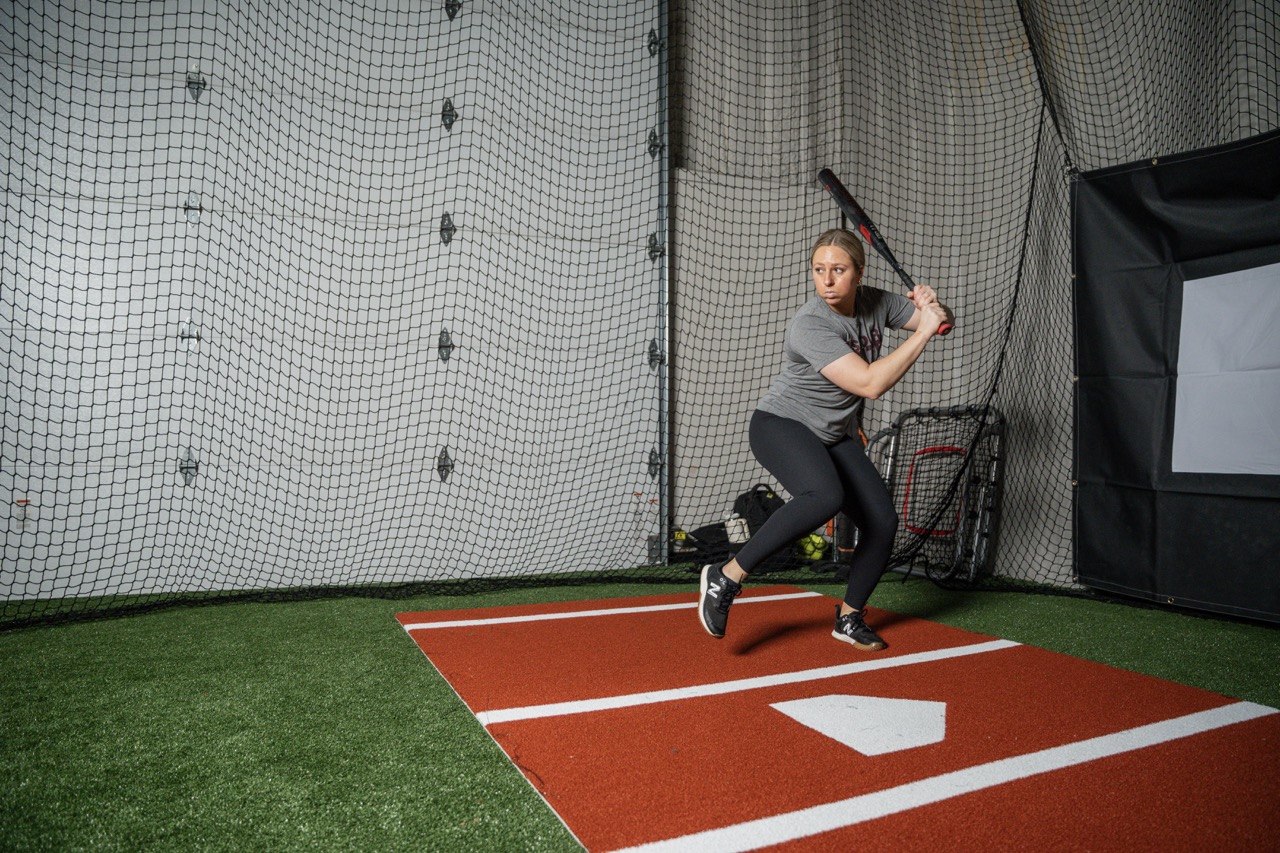
Yes, hitting off a tee seems basic - but it's how every great hitter builds their swing. The key is being intentional. Don't just swing mindlessly. Focus on one aspect each session: keeping your back elbow up, driving through the ball, staying balanced, or working on bat path.
Pro tip: Move the tee to different locations (inside, outside, high, low) to simulate different pitch locations. This builds your ability to cover the entire zone.
Soft Toss (Solo Version)
You can do soft toss by yourself using a ball return net or by tossing the ball up with your non-dominant hand. Focus on timing your load and stride with the ball toss. This builds rhythm and hand-eye coordination.
Variation: Use different colored balls or balls with numbers and call out what you see before contact. This trains your eyes to track the ball.
Mirror Swings
Stand in front of a mirror (or record yourself on your phone) and take dry swings. Watch your stance, load, swing path, and follow-through. This visual feedback is incredibly valuable for identifying mechanical issues.
Focus on: Balanced stance, proper load (weight to back side), hands staying inside the ball, full extension at contact, complete follow-through.
Fielding Drills
Wall Ball
Find a wall (garage, side of house, racquetball court) and throw a tennis ball or rubber ball against it. Field the bounce. This drill works on reaction time, soft hands, and proper fielding position.
Variations: Throw at different angles to simulate ground balls to your left and right. Throw harder to work on quick reactions. Throw softer for slow rollers that require charging.
Paddle Glove Work
If you have a paddle glove (flat glove with no pocket), use it to field ground balls. This forces you to use proper technique - you can't rely on the glove to do the work. If you don't have one, you can use a regular glove flattened out or even a ping pong paddle.
Quick Feet Ladder
Agility ladder drills improve your footwork for fielding and base running. If you don't have a ladder, use tape on the ground or just imagine the squares. Work on high knees, lateral shuffles, in-and-out patterns.
Why it matters: Quick feet get you in position faster. The best fielders move their feet first, then their glove.
Throwing Drills
Wrist Flicks
Sit on a bucket or kneel and practice snapping your wrist to throw the ball into a net or to a partner. This isolates your wrist action and builds arm strength without stressing your shoulder.
Focus on: Four-seam grip, snapping your wrist at release, backspin on the ball.
One-Knee Throws
From a kneeling position, throw to a target or partner. This drill isolates your upper body mechanics and builds proper arm action without your lower body compensating for issues.
Checkpoint: Your elbow should lead, your hand should stay on top of the ball, and you should have a clean finish with your arm extending toward the target.
Conditioning & Mental Drills
Reaction Ball
Reaction balls (the ones with bumpy surfaces that bounce unpredictably) are excellent for developing quick reflexes. Throw against a wall and react to the crazy bounces. This trains your eyes and hands to work together quickly.
Visualization Practice
This might sound "soft," but every elite athlete uses visualization. Spend 5-10 minutes with your eyes closed, visualizing yourself executing perfect at-bats, making great defensive plays, or performing in pressure situations.
Be specific: See the pitcher, feel your stance, visualize the pitch coming in, see yourself making solid contact. The more vivid, the more effective.
Building a Home Practice Routine
The key to at-home practice is consistency, not marathon sessions. Here's a sample 30-minute routine:
- 5 minutes: Dynamic stretching and warm-up
- 10 minutes: Tee work (50 focused swings)
- 10 minutes: Wall ball or fielding drill
- 5 minutes: Visualization and cool down
Do this 3-4 times per week between team practices and lessons, and you'll see noticeable improvement in your game.
When Home Practice Isn't Enough
At-home drills are great for building muscle memory and getting extra reps. But they can't replace personalized coaching that identifies and corrects your specific issues. That's where private lessons come in - combining your homework with expert guidance for maximum improvement.